
Best fabric for workout clothes: your complete guide to performance materials


Best fabric for workout clothes: your complete guide to performance materials
Choosing the right fabric for your workout clothes can make or break your fitness experience. Whether you're hitting the gym for an intense strength session, going for a long run, or attending a yoga class, the material of your athletic wear directly impacts your comfort, performance, and overall workout satisfaction. In 2026, the fitness apparel industry continues to evolve with innovative fabrics designed to enhance athletic performance while providing maximum comfort.
The fabric you choose affects everything from moisture management and temperature regulation to durability and freedom of movement. Understanding the properties of different materials will help you make informed decisions when building your workout wardrobe, ensuring you get the most value from your investment in quality fitness clothing. For a more comprehensive overview of essential materials, read our guide on the best fabric for gym gear.
Moisture-Wicking Synthetic Fabrics: The Performance Champions
Synthetic fabrics dominate the performance wear market for good reason. Polyester remains the gold standard for workout clothes due to its exceptional moisture-wicking properties. This fabric pulls sweat away from your skin and moves it to the outer surface of the garment, where it can evaporate quickly. Polyester is also incredibly durable, maintaining its shape and performance qualities even after numerous washes.
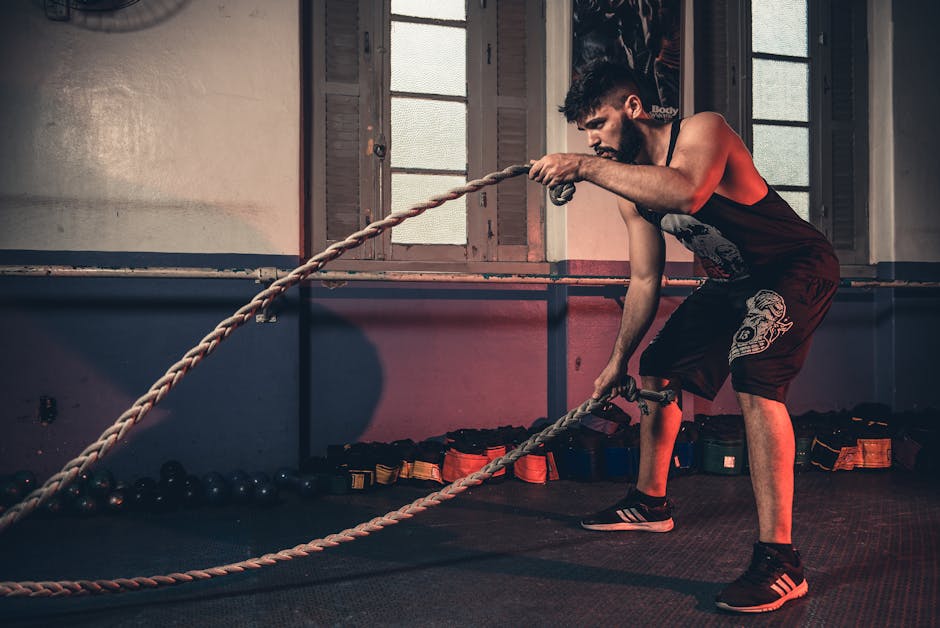
Modern polyester blends often incorporate advanced technologies that enhance their natural properties. These fabrics resist odours better than traditional materials and dry remarkably quickly, making them ideal for high-intensity workouts or multiple training sessions per day.
Nylon offers another excellent synthetic option, particularly valued for its exceptional stretch and recovery properties. Garments made from nylon provide superior flexibility and return to their original shape after stretching, making them perfect for activities requiring a wide range of motion like yoga, pilates, or dynamic stretching routines.
The lightweight nature of both polyester and nylon makes them comfortable for extended wear, whilst their synthetic composition means they're less likely to harbour bacteria compared to natural fibres. This translates to fresher-feeling workout clothes and reduced risk of skin irritation during intense training sessions.
Natural Fibres: When Comfort Meets Performance
Whilst synthetic fabrics dominate performance wear, certain natural fibres offer unique benefits for specific workout scenarios. Merino wool has gained significant popularity in recent years due to its remarkable temperature-regulating properties and natural odour resistance.

Unlike traditional wool, merino wool feels soft against the skin and doesn't cause itching. It naturally wicks moisture whilst maintaining insulation properties, making it excellent for outdoor activities in varying weather conditions. Research published in the National Center for Biotechnology Information has shown that merino wool can help regulate body temperature more effectively than many synthetic alternatives.
The natural antimicrobial properties of merino wool mean garments stay fresher for longer, reducing the need for frequent washing. This makes merino wool particularly valuable for multi-day outdoor adventures or when you need reliable performance clothing that won't develop unpleasant odours quickly.
Bamboo fabric represents another natural option gaining traction in the fitness world. Bamboo-derived textiles offer natural moisture-wicking properties combined with exceptional softness. The fabric feels silky against the skin and provides natural UV protection, making it suitable for outdoor workouts.
Innovative Fabric Technologies and Blends
The most effective workout fabrics in 2026 often combine different materials to maximise performance benefits. Polyester-spandex blends typically contain 80-90% polyester with 10-20% spandex (elastane), creating garments that offer excellent moisture management alongside superior stretch and recovery.
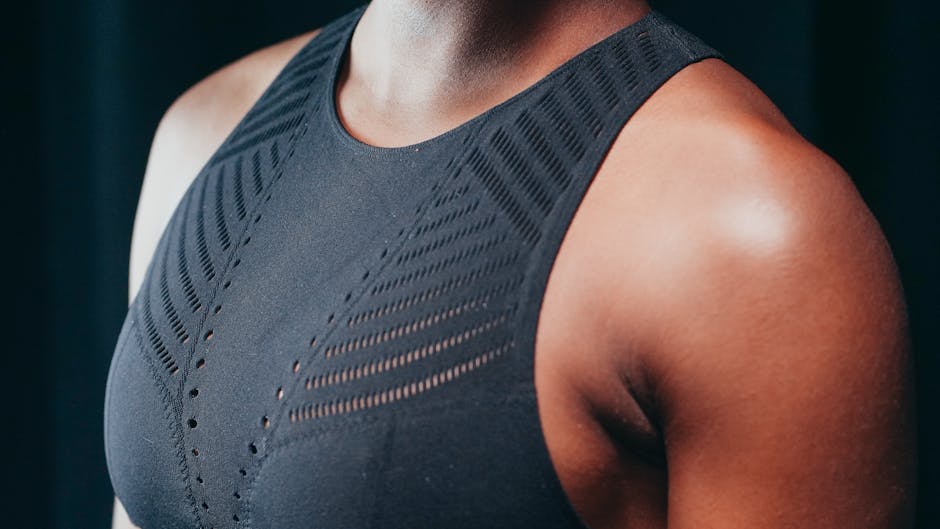
These blends provide the perfect balance of performance and comfort, allowing for unrestricted movement whilst maintaining the garment's shape over time. The spandex component ensures the fabric returns to its original form after stretching, preventing sagging or bagging that can occur with repeated wear.
Compression fabrics incorporate graduated compression technology alongside moisture-wicking properties. These materials can help improve blood circulation and reduce muscle fatigue during workouts. Studies in sports performance journals suggest that compression garments may offer benefits for recovery and performance, particularly in endurance activities.
Many premium fitness brands now incorporate antimicrobial treatments into their fabrics. These treatments help prevent the growth of odour-causing bacteria, keeping workout clothes fresher between washes. Some advanced fabrics also feature temperature-regulating technologies that adapt to your body's needs during different phases of your workout.
Fabric Properties for Different Workout Types
Different types of exercise place varying demands on workout clothing, making fabric choice crucial for optimal performance. For high-intensity interval training (HIIT) and cardio workouts, prioritise fabrics with maximum breathability and moisture-wicking capabilities. Lightweight polyester or polyester-spandex blends work exceptionally well for these activities.
The rapid temperature changes and intense sweating associated with HIIT require fabrics that can quickly move moisture away from the body whilst allowing maximum airflow. Look for garments with mesh panels or ventilation zones in high-heat areas for additional cooling.
For strength training and weightlifting, durability becomes paramount alongside comfort. Thicker polyester blends or nylon fabrics can withstand the friction from barbells and weights whilst providing the flexibility needed for compound movements. These fabrics should also offer sufficient stretch through the shoulders, hips, and knees during squats, deadlifts, and overhead movements.
Yoga and pilates practitioners benefit from fabrics with exceptional four-way stretch capabilities. Nylon-spandex blends or bamboo-spandex combinations provide the flexibility needed for complex poses whilst maintaining coverage and support. These fabrics should feel soft against the skin since yoga often involves floor work and extended holds.
For outdoor activities like running or cycling, consider fabrics with additional features such as wind resistance, water resistance, or UV protection. Merino wool excels in variable weather conditions, whilst technical polyester fabrics often incorporate weather-resistant treatments.
Care and Maintenance Considerations
The longevity and performance of workout fabrics depend significantly on proper care and maintenance. Synthetic fabrics generally require less intensive care than natural fibres but benefit from specific washing practices to maintain their technical properties.
Washing guidelines for synthetic workout clothes include using cold water to prevent fiber damage and avoiding fabric softeners, which can clog the microscopic pores responsible for moisture-wicking. Turn garments inside out before washing to protect any printed designs or treatments on the exterior surface.
Air drying is preferable to machine drying for most workout fabrics, as excessive heat can damage synthetic fibres and reduce their elasticity. If machine drying is necessary, use low heat settings and remove garments while slightly damp to prevent over-drying.
Research on textile care indicates that proper maintenance can extend the functional lifespan of performance fabrics significantly. This includes prompt washing after workouts to prevent bacteria buildup and avoiding harsh chemicals that might compromise fabric integrity.
For merino wool garments, gentle cycles with wool-specific detergents help maintain the natural properties of the fibre. Bamboo fabrics typically require similar care to other delicate materials, with gentle washing and air drying recommended to preserve their softness and performance characteristics.
Making the Right Choice for Your Fitness Journey
Collecting quality gym apparel is important, but don't forget another crucial component of your workout: hydration. Selecting the best fabric for workout clothes ultimately depends on your specific activities, personal preferences, and environmental conditions. Consider creating a diverse workout wardrobe that includes different fabric types for various situations rather than relying on a single material for all activities. To ensure you stay well-hydrated during your sessions, check out our guide on finding the perfect gym bottle for men.
For most fitness enthusiasts, a foundation of high-quality polyester-spandex blends provides versatility across multiple workout types. Supplement this with specialised pieces like merino wool for temperature-sensitive activities or compression fabrics for recovery-focused sessions.
Pay attention to fabric weight and thickness based on your typical workout environment. Lightweight fabrics work best in heated studios or during summer outdoor activities, whilst medium-weight options provide better durability for equipment-based workouts.
Remember that the best workout fabric is one that feels comfortable, performs well for your specific activities, and maintains its properties over time. Investing in quality fabrics from reputable fitness apparel brands ensures you get garments that will support your fitness goals whilst providing long-term value. Don't forget your hydration needs; for longer sessions, a 1 litre water bottle for gym use is often ideal.
Quality matters when it comes to workout fabrics. Well-constructed garments using premium materials may cost more initially but typically offer better performance, durability, and comfort throughout their lifespan. This makes them more economical in the long run compared to cheaper alternatives that may need frequent replacement. For more in-depth information on choosing the right hydration companion, our complete guide to 1 litre gym water bottles is a must-read.
The fabric technology in workout clothes continues to advance, with new innovations appearing regularly. Stay informed about developments in performance materials, as these improvements can significantly enhance your workout experience and help you achieve better results from your training efforts.

