
Best fabric for gym gear: a complete guide to performance materials


Best fabric for gym gear: a complete guide to performance materials
Choosing the right fabric for your gym gear can make or break your workout experience. The material of your athletic clothing directly impacts your comfort, performance, and overall satisfaction during exercise. With countless options available in the market, understanding the properties of different fabrics will help you make informed decisions that enhance your training sessions and provide long-lasting value for your investment.
Essential Properties of High-Performance Gym Fabrics
When evaluating fabrics for gym gear, several key characteristics determine their suitability for athletic activities. Moisture-wicking capability stands as the most crucial feature, allowing sweat to move away from your skin to the fabric's surface where it can evaporate quickly. This keeps you dry and comfortable throughout your workout.

Breathability is equally important, enabling air circulation through the fabric to regulate body temperature. Fabrics with good breathability prevent overheating and maintain optimal comfort levels during intense training sessions.
The stretch and recovery properties of gym fabrics ensure unrestricted movement while maintaining the garment's shape over time. Quality athletic fabrics should return to their original form after stretching, preventing sagging or loss of fit.
Durability cannot be overlooked, as gym wear endures frequent washing and rigorous use. The best fabrics maintain their properties and appearance even after numerous wash cycles and high-intensity workouts.
Finally, antimicrobial properties help prevent the growth of odour-causing bacteria, keeping your gym gear fresh and hygienic between washes.
Top Synthetic Fabrics for Athletic Performance
Synthetic fabrics dominate the athletic wear market due to their superior performance characteristics and durability. Polyester remains the most popular choice for gym gear, offering excellent moisture-wicking properties and quick-drying capabilities. Modern polyester blends are lightweight, durable, and retain their shape exceptionally well.
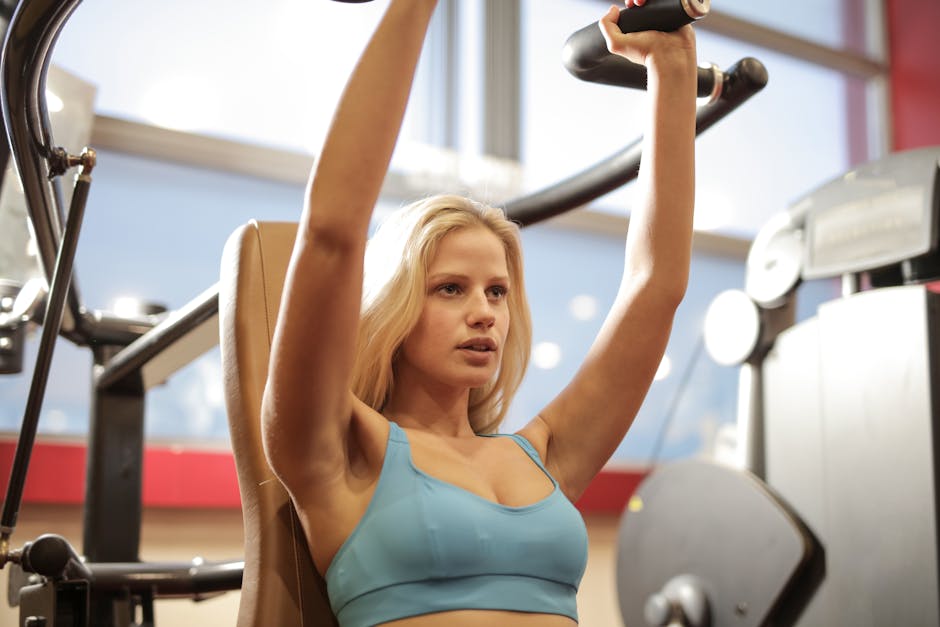
Nylon provides outstanding strength and elasticity, making it ideal for form-fitting activewear and garments requiring high stretch recovery. Its smooth texture reduces friction against the skin, preventing chafing during extended workouts.
Spandex or Lycra adds crucial stretch properties to athletic fabrics. Typically blended with other materials in percentages ranging from 5% to 20%, spandex ensures garments move with your body while maintaining their original shape.
Advanced synthetic blends combine multiple materials to maximise performance benefits. For example, polyester-spandex blends offer moisture management with flexibility, while nylon-spandex combinations provide durability with superior stretch properties.
According to research from the National Center for Biotechnology Information, synthetic fabrics consistently outperform natural materials in moisture management and quick-drying capabilities, making them superior choices for high-intensity activities.
Natural and Semi-Synthetic Alternatives
While synthetic fabrics dominate athletic wear, certain natural and semi-synthetic materials offer unique benefits for specific applications. Merino wool stands out as an exceptional natural option, providing natural temperature regulation, odour resistance, and moisture-wicking properties. Unlike traditional wool, merino wool feels soft against the skin and doesn't cause itching.

Bamboo fabric, technically a semi-synthetic material, offers natural antimicrobial properties and excellent breathability. It feels silky smooth and provides UV protection, making it suitable for outdoor activities.
Organic cotton, while not ideal for high-intensity workouts due to its moisture-retention properties, works well for yoga, pilates, or light exercise routines. It's breathable, soft, and environmentally friendly.
Semi-synthetic options like modal and Tencel combine the comfort of natural fibres with improved performance characteristics. These materials wick moisture effectively while providing the soft, comfortable feel of natural fibres.
Innovative High-Tech Fabric Technologies
The athletic wear industry continues to evolve with cutting-edge fabric technologies that push performance boundaries. Compression fabrics utilize graduated compression to improve blood circulation, reduce muscle fatigue, and enhance recovery times.
Phase-change materials (PCMs) represent the latest advancement in temperature regulation. These fabrics absorb, store, and release heat to maintain optimal body temperature throughout varying activity levels.
Silver-infused fabrics incorporate silver ions for superior antimicrobial properties, preventing odour development and maintaining freshness for extended periods. This technology is particularly beneficial for multi-day activities or travel.
Seamless construction technology eliminates traditional seams, reducing friction points and creating smoother, more comfortable garments. This technology is especially valuable for endurance activities where chafing can become problematic.
Research published in the Journal of the Textile Institute demonstrates that these advanced technologies significantly enhance athletic performance and comfort compared to traditional fabric constructions.
Choosing the Right Fabric for Different Activities
Different types of exercise require specific fabric properties to optimise performance and comfort. High-intensity cardio activities such as running, cycling, or HIIT training demand fabrics with maximum moisture-wicking capabilities and quick-drying properties. Lightweight polyester blends with mesh ventilation panels work exceptionally well for these activities.
Strength training and weightlifting benefit from fabrics with excellent stretch and recovery properties. Nylon-spandex blends provide the flexibility needed for full range of motion while maintaining durability against equipment friction.
Yoga and pilates require fabrics that move with your body without being restrictive. Modal blends or high-quality cotton-spandex combinations offer the perfect balance of comfort and flexibility for these practices.
Outdoor activities need additional considerations such as UV protection and weather resistance. Fabrics with UPF ratings and water-resistant treatments become essential for outdoor training sessions.
The American College of Sports Medicine recommends selecting fabrics based on specific activity requirements and environmental conditions to maximise both performance and comfort.
Care and Maintenance of High-Performance Fabrics
Proper care extends the life of high-performance gym fabrics and maintains their beneficial properties. Washing guidelines for athletic wear differ from regular clothing care. Use cold water and mild detergents specifically designed for activewear to preserve fabric integrity and performance features.
Avoid fabric softeners, which can clog fabric pores and reduce moisture-wicking capabilities. Instead, use white vinegar occasionally to eliminate odours and maintain fabric freshness.
Drying techniques significantly impact fabric longevity. Air drying is preferable for maintaining elasticity and preventing heat damage. If using a dryer, select low heat settings to prevent synthetic fibres from melting or losing their stretch properties.
Store gym gear properly by ensuring items are completely dry before storing to prevent mould and mildew development. Rotate your activewear collection to allow garments adequate recovery time between wears.
Conclusion
Selecting the best fabric for gym gear requires understanding your specific activity needs, personal preferences, and performance requirements. Synthetic fabrics like polyester and nylon blends continue to dominate the market due to their superior moisture-wicking properties, durability, and versatility. However, natural alternatives like merino wool and innovative semi-synthetic options provide excellent choices for specific applications.
The key to choosing optimal gym gear fabric lies in matching fabric properties to your workout intensity, duration, and environmental conditions. Whether you prioritise maximum moisture management for high-intensity cardio, flexibility for strength training, or comfort for yoga practice, understanding fabric characteristics empowers you to make informed decisions that enhance your fitness journey.
Investing in high-quality fabrics may require a higher initial cost, but the improved performance, comfort, and durability provide excellent long-term value. As fabric technology continues advancing, we can expect even more innovative solutions that push the boundaries of athletic performance and comfort.

