
Workout Tops That Don't Ride up Uk


Workout Tops That Don't Ride up Uk
Nothing disrupts a good workout quite like constantly pulling down a shirt that keeps riding up. Whether you're hitting the gym, going for a run, or attending a yoga class, finding workout tops that stay in place throughout your entire session is crucial for both comfort and confidence. For UK fitness enthusiasts, the search for the perfect non-riding workout top can be challenging, especially with the diverse range of activities and body types to consider.
The frustration of dealing with riding tops goes beyond mere annoyance. When your workout clothes don't cooperate, it can affect your performance, distract you from proper form, and even make you self-conscious about your appearance. This comprehensive guide will help you understand what causes tops to ride up, what features to look for, and how to choose the perfect workout tops that will stay put during even the most intense training sessions.
Understanding Why Workout Tops Ride Up
Before diving into solutions, it's important to understand the mechanics behind why workout tops ride up in the first place. Several factors contribute to this common problem, and identifying them can help you make better purchasing decisions.
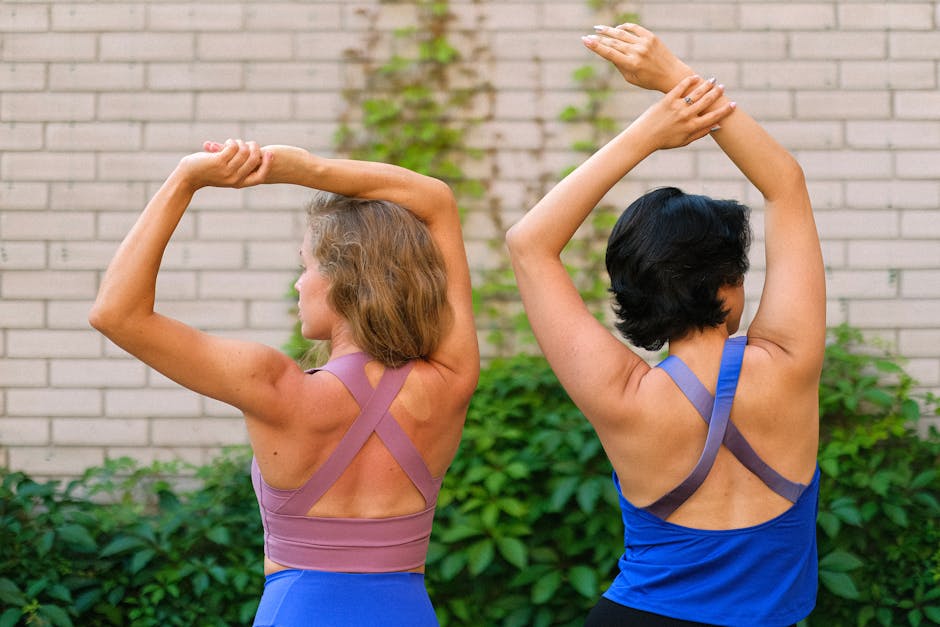
The primary culprit is often the fabric's elasticity and how it interacts with body movement. When you raise your arms, stretch, or engage in dynamic movements, the fabric needs to accommodate these motions without losing its original shape. Poor fabric recovery means the top stretches but doesn't return to its original position, causing it to bunch up around the waist or chest area.
Another significant factor is the fit of the garment. Tops that are too loose can shift and move independently of your body, while those that are too tight may pull upward when you move. The cut and design of the top also play crucial roles – shorter hemlines and inadequate torso length naturally lead to more riding up during movement.
Body shape considerations are equally important. Different body types experience riding up differently, and what works for one person may not work for another. Understanding your body's proportions and how different cuts interact with your shape is essential for finding the right fit.
Key Features to Look For in Non-Riding Workout Tops
When shopping for workout tops that won't ride up, certain design features and construction elements make all the difference. Paying attention to these details will significantly improve your chances of finding tops that stay in place throughout your workout.
Length and cut are perhaps the most obvious considerations. Look for tops with adequate length that extend well past your waistline, even when your arms are raised above your head. Tunic-style cuts and tops with curved or dropped hems tend to stay in place better than straight-cut designs.
The neckline and shoulder construction also impact how much a top moves during exercise. Tops with wider straps or racerback designs often provide better stability and are less likely to shift during movement. Additionally, tops with built-in bras or compression panels offer extra support and help maintain the garment's position.
Waistband features can make a significant difference. Some workout tops include silicone grip strips along the hem, which help the fabric cling to your skin or underlying layers. Others feature drawstring adjustments or elastic waistbands that can be customised to your preferred fit.
Seam placement and construction quality are often overlooked but crucial factors. Well-placed side seams and proper panel construction help the top maintain its shape and move with your body rather than against it. Flat-lock seams reduce bulk and improve the overall fit and comfort of the garment.
Best Styles and Cuts for Different Body Types
Different body shapes require different approaches when it comes to finding workout tops that don't ride up. Understanding which styles work best for your body type can save you time, money, and frustration when shopping for new workout gear.
For those with longer torsos, standard-length tops may naturally ride up more easily. Extra-long or tunic-style tops work exceptionally well for this body type, providing adequate coverage even during extensive arm movements. Peplum-style tops can also be effective, as the flared hem helps anchor the garment in place.
Individuals with shorter torsos often find that regular-length tops work well, but they should pay particular attention to the shoulder and arm construction. Tops with raglan sleeves or seamless shoulder construction tend to move better with the body and reduce the likelihood of riding up during overhead movements.
For curvier figures, tops with strategic seaming and panel construction help maintain shape and prevent riding up. A-line cuts that skim the body without clinging too tightly often work better than form-fitting styles. Built-in support features like shelf bras or compression panels can also help maintain the top's position during movement.
Those with athletic builds may find that fitted tops with compression features work best, as they move with the muscles rather than against them. Tank tops with wider straps and secure fits around the shoulders and underarms typically stay in place better during high-intensity activities.
Material Considerations and Performance Features
While the focus isn't solely on fabric, understanding how different materials behave during exercise is crucial for finding tops that won't ride up. The right material can make the difference between a top that stays put and one that constantly needs adjustment.
Moisture-wicking properties are essential for any good workout top, but they also play a role in preventing riding up. Fabrics that manage moisture effectively maintain their shape better and are less likely to cling uncomfortably to the skin. This improved comfort means less fidgeting and adjusting during workouts.
Compression fabrics offer excellent shape retention and can help prevent riding up by maintaining consistent contact with the body. However, the level of compression should be appropriate for the activity – too much compression can be restrictive, while too little may not provide the desired staying power.
Four-way stretch capabilities allow the fabric to move in all directions with your body, reducing the stress on seams and construction that can lead to riding up. This flexibility is particularly important for activities involving extensive arm movements or dynamic stretching.
Anti-microbial treatments and odour-resistant properties, while not directly related to riding up, contribute to the overall longevity and performance of the garment. Tops that maintain their freshness and structural integrity over time are more likely to continue fitting properly and staying in place.
Shopping Tips and Fitting Advice
Knowing what to look for is only half the battle – understanding how to shop effectively and ensure proper fit is equally important for finding workout tops that won't ride up during exercise.
When trying on workout tops, don't just stand in front of the mirror. Perform typical exercise movements like raising your arms overhead, doing jumping jacks, or bending side to side. This movement test will quickly reveal whether a top is likely to ride up during actual exercise.
Pay attention to how the top feels in different positions. It should feel secure and comfortable whether you're standing upright, reaching overhead, or bending forward. Any pulling, bunching, or shifting during these movements indicates the top may not be suitable for intense workouts.
Consider the activities you'll be doing most frequently. A top that works perfectly for yoga might not be ideal for high-intensity interval training or running. Think about the range of motion required for your preferred exercises and choose accordingly.
Don't forget to factor in layering if you typically wear sports bras or base layers underneath your workout tops. The combination of garments can affect how the outer layer fits and moves, so test the complete outfit whenever possible.
Size consistency can vary between brands and even between different styles from the same manufacturer. Don't assume your usual size will work across all brands – always refer to specific size charts and consider trying multiple sizes if you're unsure.
Maintenance and Care for Longevity
Proper care and maintenance play crucial roles in ensuring your workout tops continue to fit well and resist riding up over time. Even the best-designed tops can lose their effectiveness if not cared for properly.
Following manufacturer care instructions is essential for maintaining the fabric's elasticity and shape retention properties. Over-washing or using inappropriate cleaning methods can break down the fibres and compromise the top's ability to stay in place during exercise.
Avoid fabric softeners, which can coat synthetic fibers and reduce their moisture-wicking and stretch properties. Instead, use sport-specific detergents designed for athletic wear, which help maintain the fabric's performance characteristics.
Air drying is generally preferable to machine drying for workout tops, as excessive heat can damage elastic fibers and cause shrinkage or shape distortion. If you must use a dryer, use low heat settings and remove the garments while they're still slightly damp.
Store your workout tops properly by hanging them or folding them carefully to avoid creating permanent creases or stretching specific areas. Avoid cramming them into overly full drawers where they might become misshapen.
Regular inspection of your workout tops can help you identify when they're beginning to lose their shape or effectiveness. Signs like persistent riding up, loss of elasticity, or visible wear in high-stress areas indicate it may be time to replace the garment.
Conclusion
Finding workout tops that don't ride up requires understanding the interplay between fit, design, materials, and your individual body type and activity preferences. The key is to look for tops with adequate length, appropriate construction features, and materials that move with your body while maintaining their shape.
Remember that the perfect workout top should enhance your exercise experience, not detract from it. By focusing on proper fit, quality construction, and features designed to prevent riding up, you can find tops that allow you to concentrate fully on your workout without distraction.
Investing in high-quality workout tops from reputable fitness clothing specialists like Interpro Fitness ensure you're getting garments designed specifically for the demands of exercise. With the right knowledge and careful selection, you can build a workout wardrobe that provides comfort, confidence, and performance enhancement for all your fitness activities.
Take the time to assess your specific needs, try on different styles and sizes, and don't settle for tops that don't meet your standards. Your workout performance and comfort depend on having the right gear, and finding tops that stay put is an essential part of that equation. Don't forget that staying hydrated is key to any successful workout, so be sure to check out our 1 Litre Water Bottle for Gym: The Ultimate Hydration Guide and also see our Reviews: best resistance bands UK 2026 to complete your gym setup and ensure peak performance.

